House Leveling in Columbia, SC
When a floor in Columbia, SC slopes enough that a marble rolls across the room, the house has likely shifted. Across Richland and Lexington Counties, leveling applies to slab homes and crawl-space homes alike. Here is how it works and why drainage matters so much.
- No Cost to Request
- Written Estimates
- Local to Richland & Lexington Counties
- Slab & Crawl Space Homes
Not sure if we cover your area? Check now ↓
Leveling a House That Has Shifted
Leveling means bringing floors back as close to level as the house safely allows. After years of settling, walls and trim have adjusted too, so the specialist lifts in small steps and stops before plaster or tile is stressed.
The method depends on the foundation. A crawl-space home is usually leveled from below. Steel shims fill gaps between beams and piers, adjustable steel support jacks go under sagging beams, and new piers can be added where the old ones stand too far apart. A slab home is leveled by setting piers under the low edge and lifting the slab on them.
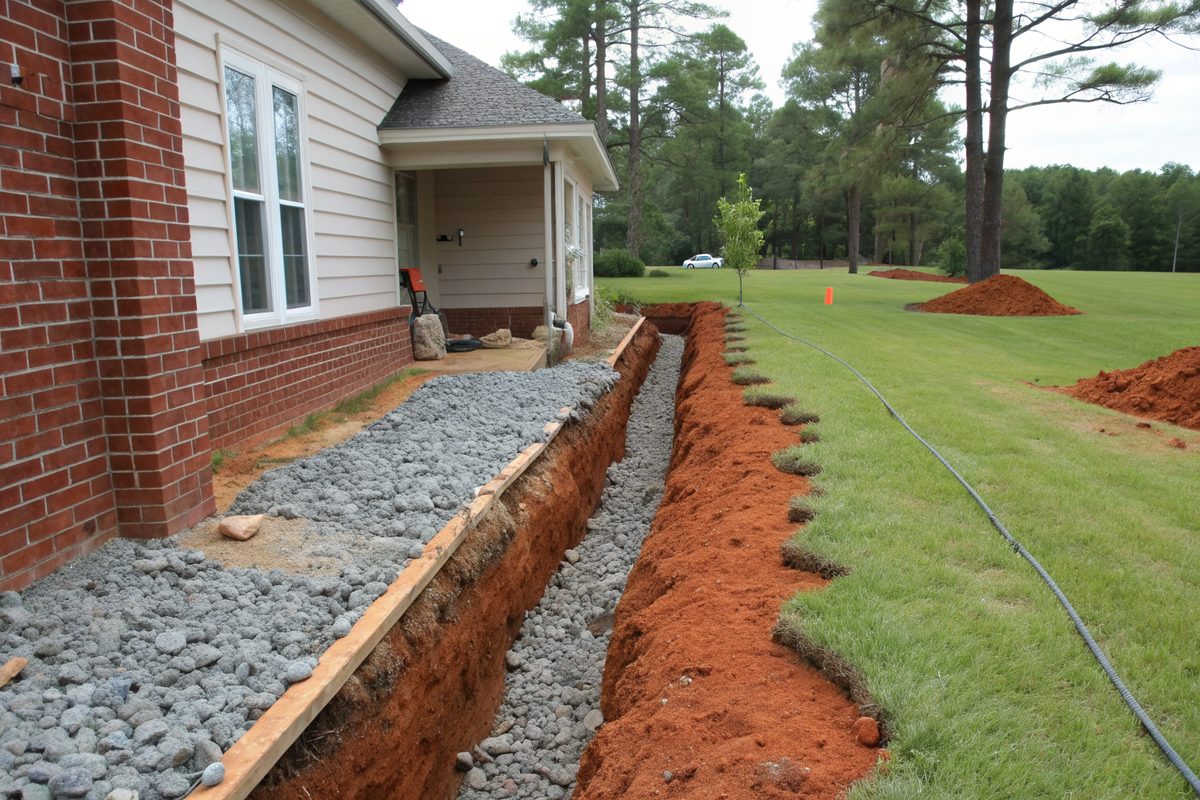
Leveling only lasts if the cause is handled. If downspouts still dump water at one corner, or the crawl space stays wet, the ground can keep moving and the floor may slope again. A sound plan pairs the lift with drainage and moisture work.
Typical House Leveling Jobs in Columbia
- Floors that slope toward one wall. A steady slope across several rooms often means one side of the house has dropped.
- Gaps between beams and piers. In a crawl space, a beam that no longer rests on its pier gets steel shims to close the gap.
- Beams sagging between piers. Adjustable steel jacks set on solid footings can carry a beam that has bowed in the middle.
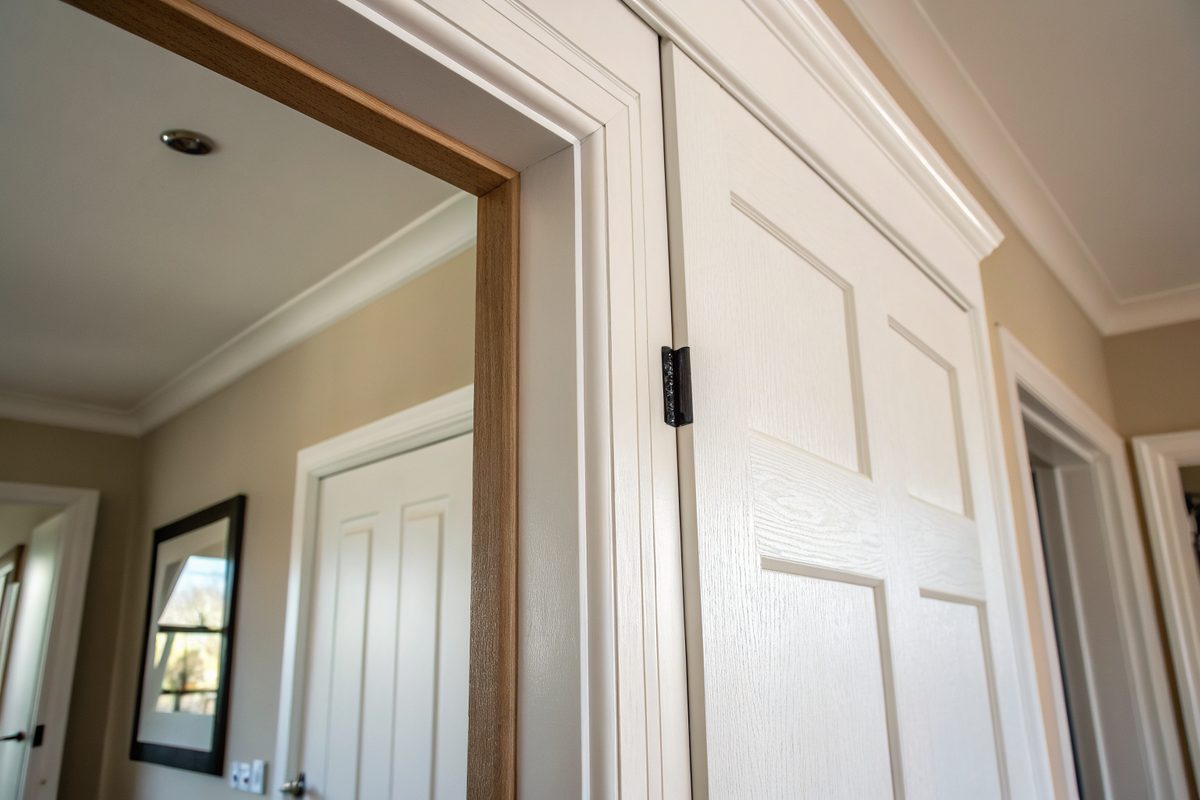
- Doors that swing on their own. A door that drifts open or shut usually hangs in a frame that is no longer plumb.
How Contractors Price House Leveling
Simple shimming in an open crawl space sits at the low end. The price climbs with the number of supports, with piers on a slab home, and with any rotted wood, drainage work or engineer's report added to the plan. These are national ranges from home-cost sites, not a price or quote from us.
| Cost row | Figure | Source (year) |
|---|---|---|
| House leveling with shims | about $1,000 to $3,500 | HomeGuide (2026) |
| Steel support jack, installed, each | about $500 to $550 | Bob Vila (2022) |
| Steel piers, per pier | about $1,000 to $1,600 | HomeGuide (2026) |
The cost calculator estimates pier-based jobs, and the foundation repair cost guide shows all the source rows.
Steps in a Typical House Leveling Job
- Request a visit. Send your address and a short note on which rooms slope. We book a time with a local foundation specialist.
- Map the floors. The specialist takes elevation readings across the house to find the high point and the low spots.
- Find the cause. Under a crawl-space home, that means checking piers, beams, joists and moisture. Around a slab home, it means looking at drainage, trees and possible leaks.
- A written plan. It should name the method, list every shim, jack or pier and where it goes, cover any drainage or moisture work, say who pulls the permit, and spell out the warranty.
- Lift in stages. The repair crew raises the low areas a little at a time, sets the supports and measures again. Ask whether a follow-up visit to check or re-shim is part of the deal.
How House Leveling Heads Off Bigger Damage
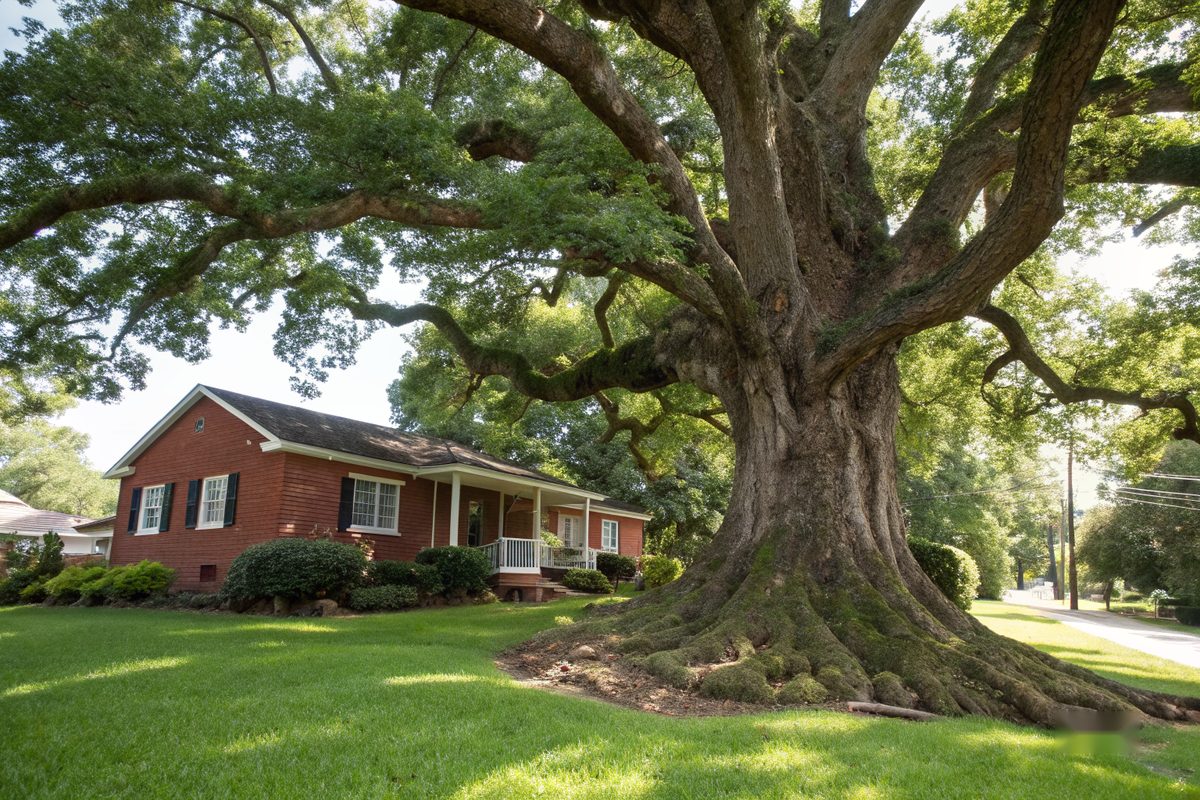
The Midlands sees big water events. On October 4, 2015, the Congaree River at Columbia, SC peaked at 185,000 cubic feet per second, its highest flow since 1936 (USGS). Saturated ground and moving water can undercut footings and soften the soil under piers, and the slope may not show up in the floors until months later.
A floor leveled while only slightly off needs less lift, which is easier on drywall and tile. Leveling paired with drainage fixes and a drier crawl space gives the ground less reason to move again.
House Leveling: Questions and Answers
Will leveling make my floors perfectly flat?
Usually not, and that's normal. Older homes have settled for years, and pushing them fully back could crack walls or tile. The specialist aims for a safe improvement and should state the target in the written plan.
Can a slab home be leveled?
Yes. The usual approach sets piers under the low edge of the slab and lifts it on them. If a leak under the concrete may be part of the cause, ask whether a plumbing test should come first, so the lift isn't undone by wet soil.
Why did my floors go out of level again after shimming?
Shims close the gap, not the cause. If water still pools in the crawl space, or a pier keeps sinking into soft soil, the beam can drop again. Ask the specialist how the plan deals with drainage and moisture, and whether re-shimming is covered by the warranty.
Does house leveling need a permit?
Inside City of Columbia limits, structural work needs a permit, filed with Planning & Development Services at 1401 Main Street. In unincorporated Richland or Lexington County, or in another town, check with that office before work starts.
Other Ways to Stabilize a House
Leveling often overlaps with other work. Crawl space and pier and beam repair covers joists, sills and damp crawl spaces, slab foundation repair covers concrete homes, and foundation crack repair explains which cracks matter. For the full overview, read foundation repair, or try the warning signs quiz and the South Carolina foundation repair rules.
Uneven Floors? Request an Inspection
Send an estimate request telling us which rooms slope and what kind of foundation you have, if you know. We arrange the visit, and a local foundation specialist handles the inspection, the readings and the estimate. Ask before the appointment whether the specialist charges for the estimate.