Crawl Space & Pier and Beam Repair in Columbia, SC
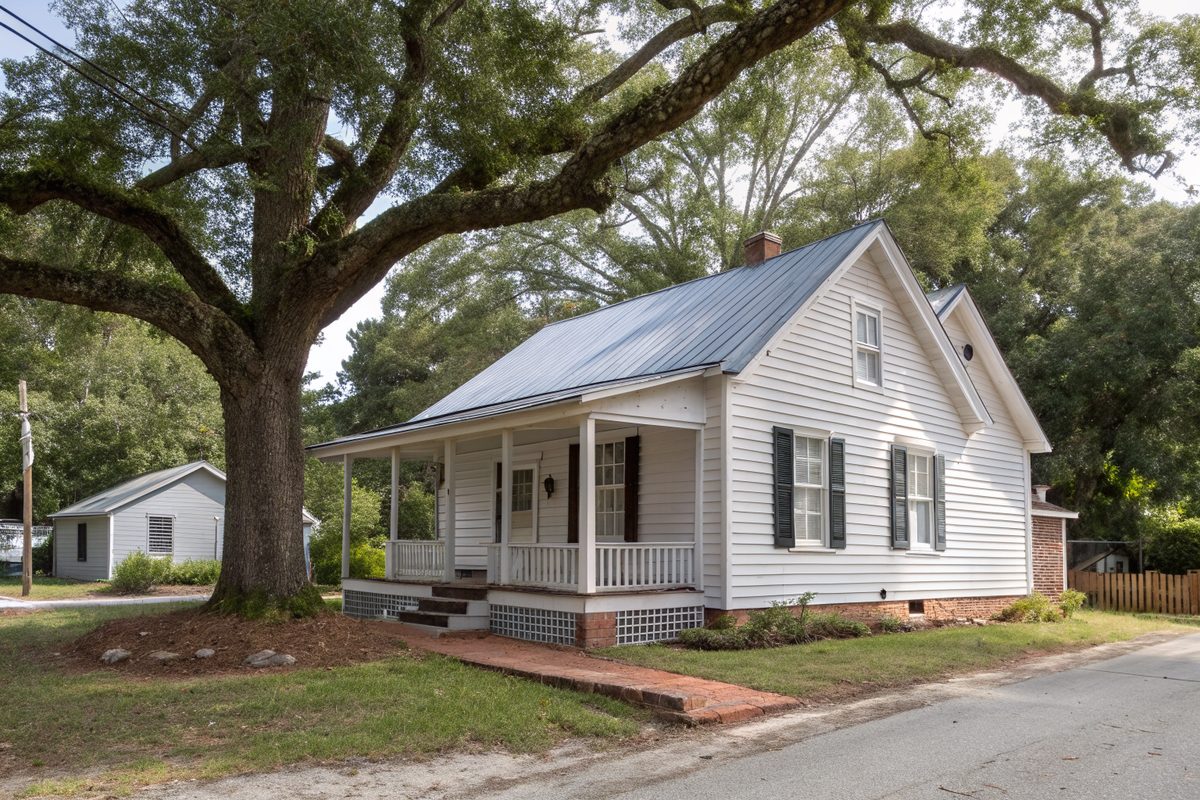
Many older Midlands homes in Columbia, SC sit over a crawl space, with the floor resting on piers, beams and joists a few feet above the dirt. Across Richland and Lexington Counties, that design can show up as bouncy floors and damp air underneath. Here is what tends to go wrong and how a local foundation specialist puts it right.
- No Cost to Request
- Written Estimates
- Local to Richland & Lexington Counties
- Slab & Crawl Space Homes
Not sure if we cover your area? Check now ↓
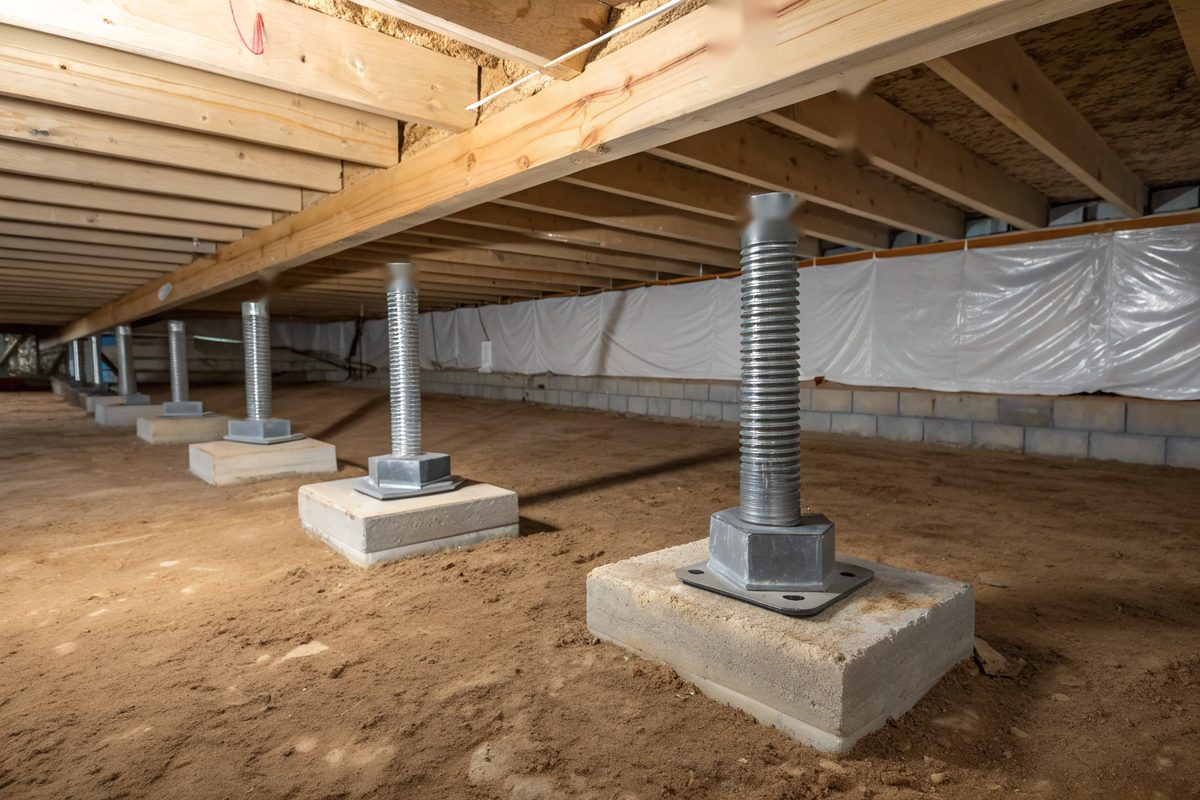
When a Raised Floor Starts to Sag
In a crawl-space home, brick or block piers carry wood beams, and floor joists span from beam to beam. The sill plate, a board along the top of the foundation wall, ties the frame to the masonry. When one part weakens, the floor may bounce, dip or slope.
The open space under the house is a real plus, since the trouble can usually be reached without breaking concrete. Common fixes include sistering a new joist beside a cracked one, adding steel support posts or new piers between old ones, and setting steel shims where a beam has settled away from its pier.
Moisture is usually part of the story. Census survey data shows about four in ten homes in Columbia, SC were built before 1970, and an older crawl space may never have been drained or vented well. A plan that holds up treats the moisture as well as the framing.
Typical Crawl Space Repair Jobs in Columbia
- Bouncy or sagging floors. Joists that have cracked, been notched for pipes or dried out can flex underfoot. A sistered board stiffens the span.
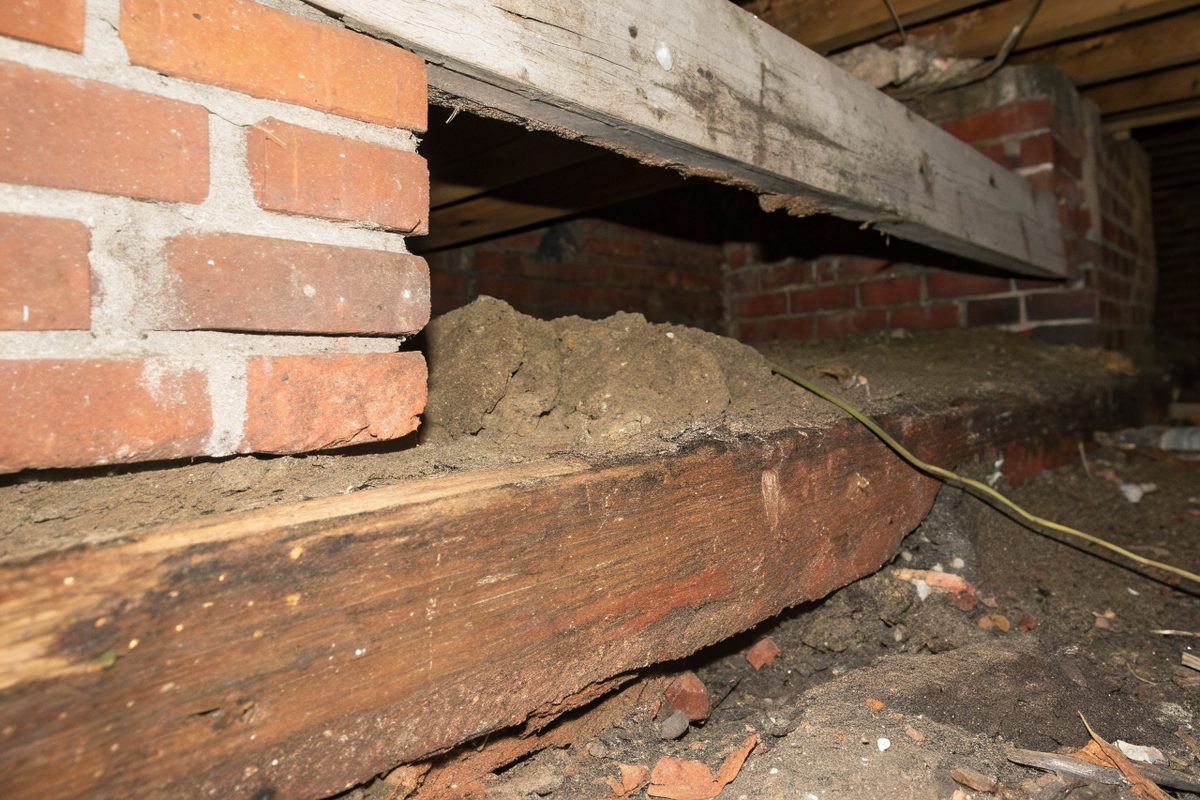
- Rotted sill plates and joists. Wood near the soil or under a slow leak can turn soft. The specialist probes it and marks what has to go.
- Failing piers or posts. A brick pier that leans, or a post that has sunk, leaves the beam above it without full support.
- A damp crawl space. Puddles after rain, a musty smell, or beads of water on the pipes point to drainage or airflow problems.
How Contractors Price Crawl Space Repair
A crawl-space price depends on what turns up under the floor: joists that need help, posts or piers to add, rotted wood, and how low and tight the space is. The rows below are national ranges from home-cost sites, not a quote from us.
| Cost row | Figure | Source (year) |
|---|---|---|
| Crawl space repair | about $2,500 to $8,000 on average; $15,000 or more for multi-step jobs | HomeGuide (2026) |
| Sistering a floor joist, per joist | about $150 to $325 | HomeGuide (2026) |
| Steel support jack, installed, each | about $500 to $550 | Bob Vila (2022) |
The cost calculator works from pier counts, which makes it a looser guide for a crawl-space house. The foundation repair cost guide lists every source.
Steps in a Typical Crawl Space Repair Job
- Send the details. Tell us your address and how the floors feel. We set up a crawl-space visit with a local foundation specialist.
- A trip under the house. The specialist checks each pier, beam, joist and sill, probes for soft wood, looks for water, and measures floor heights above.
- A written scope. It should list joists to sister, posts or piers to add, wood to replace, shims, vent or drainage work, the permit plan and the warranty.
- Permit and design checks. Inside City of Columbia limits, structural support work needs a permit. In a historic or design district, new vents or skirting may also need a Certificate of Design Approval first.
- Framing work and a final reading. The repair crew jacks the beams slowly, sets supports and shims, replaces damaged wood, and measures again.
How Crawl Space Repair Heads Off Bigger Damage
Clemson Extension notes that native subterranean termites are common throughout South Carolina and are drawn to moist or decayed wood. It advises good airflow in crawl spaces and no wood touching the soil, which also protects the framing from rot.
Wet-dry swings matter too. Clay under a pier can soften after a soaking rain and shrink in a dry spell, and a small drop at one pier passes into the beam and the floor.
Crawl Space Repair: Questions and Answers
Is a crawl-space home easier to repair than a slab?
Often it is easier to reach, since the work happens from below without cutting concrete. The cost can still climb if beams, sills or many joists have rotted.
How do I know my crawl space has a moisture problem?
Check after a heavy rain. Standing water, a musty smell, drooping insulation, and rust on pipes or nails are common clues. Ask the specialist whether better vents, a vapor barrier, gutter work or regrading would help.
My home is in a historic district. Does that change anything?
It can. Homes in districts like Waverly, Earlewood or Melrose Heights/Oak Lawn need a Certificate of Design Approval from the City before a permit is issued. Exterior changes such as new foundation vents, visible piers or skirting may need one, so raise it with Planning & Development Services early.
What should I check before hiring?
Ask which SC LLR license or registration covers the job, and look the number up online. Inside city limits, ask about a City of Columbia business license. Also get an insurance certificate, the warranty terms, and an answer on whether a professional engineer will review the plan.
Other Ways to Stabilize a House
For an overview of every method, start with foundation repair. Homes on concrete are covered under slab foundation repair, and house leveling explains how uneven floors are brought back. Cracks in brick or drywall have their own page on foundation crack repair, and the warning signs quiz helps sort what you're seeing.
Start a Pier and Beam Request
Use the estimate request to tell us about the floors, the crawl space and where you live. We book a time for a local foundation specialist to come out, go under the house and write the estimate. Sending it costs nothing.